
Weather Protection That Lasts Decades
Roofing & Siding Services in McConnellsburg for homes with leaks, drafts, or exterior materials failing under Pennsylvania weather cycles
Pennsylvania's freeze-thaw cycles, heavy snow loads, and summer storms deteriorate roofing and siding faster than materials fail in moderate climates—shingles lift at edges where ice dams form, vinyl siding cracks when temperatures swing forty degrees in a day, and water finds its way through nail holes that expand over decades of seasonal movement. Roof replacement at Fisher Renovations starts with removing old shingles down to decking, exposing rotted plywood that needs replacement before new underlayment and shingles install. Siding replacement involves stripping walls to sheathing, adding weather barriers that weren't part of original construction, and installing materials that handle McConnellsburg's temperature extremes without warping or splitting.
Roof repairs address localized damage—replaced flashing around chimneys and vents, resealed valleys where two roof planes meet, or spot shingle replacement after wind tears sections loose. Siding installation over existing wall sheathing includes proper fastening that allows expansion and contraction without buckling, and trim details around windows and doors that prevent water intrusion at joints where dissimilar materials meet. Exterior weather protection depends on overlapping layers—housewrap behind siding, drip edge under shingles, and flashing that directs water away from vulnerable transitions.
Schedule a roof and siding inspection to identify damage before small leaks become structural problems requiring interior repairs.
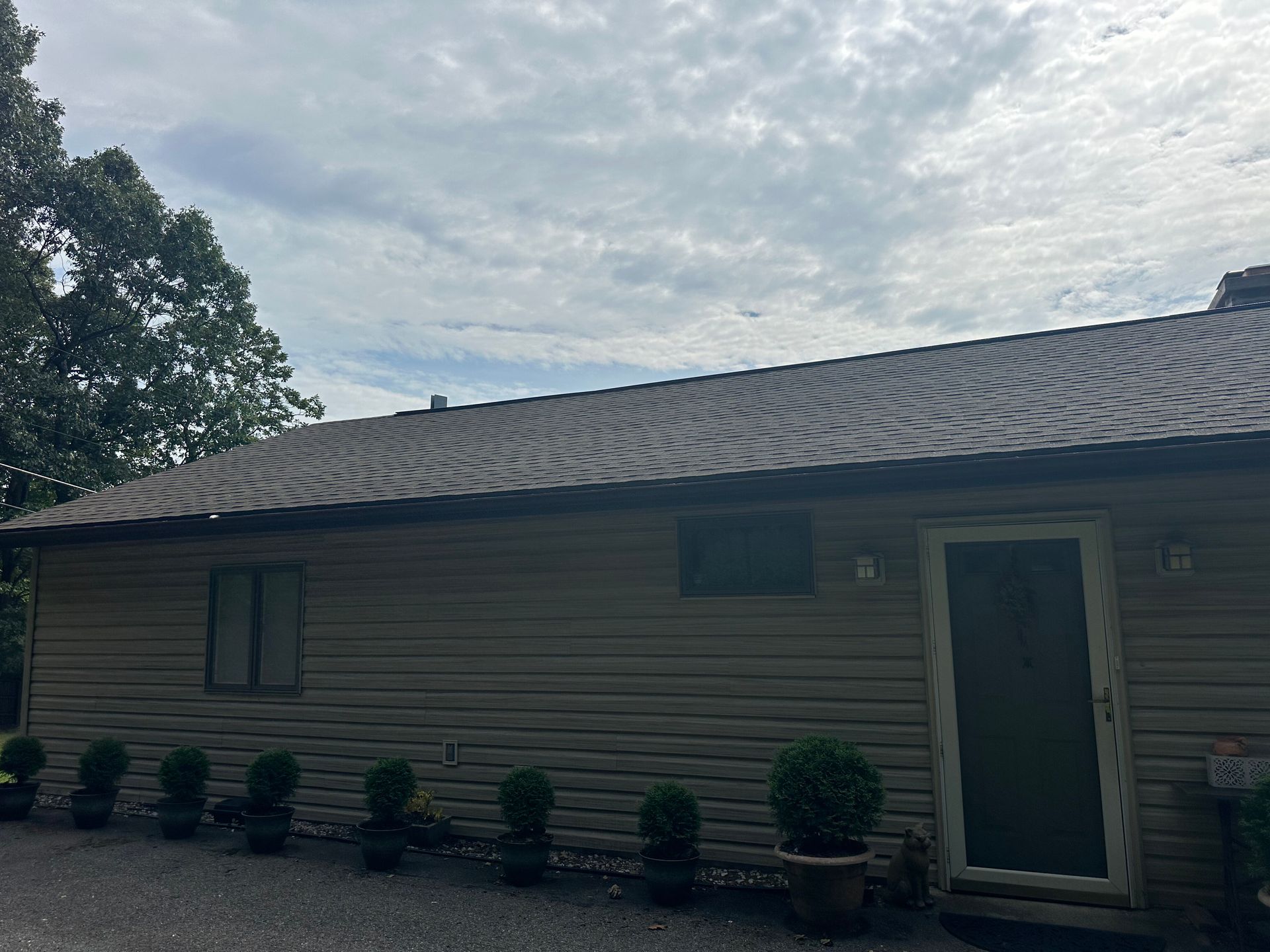
What Separates Long-Lasting Exterior Work From Shortcuts
Roof replacement quality shows in details invisible from the ground—underlayment that covers the entire deck without gaps, starter strips along eaves that prevent wind from lifting the first shingle course, and ridge vents that balance attic airflow so heat and moisture don't concentrate in areas that accelerate shingle aging. Valleys use either woven shingles or metal channels, both effective when installed correctly but prone to leaks when flashing omits or fasteners penetrate waterproof zones. Ice and water shield along eaves and valleys prevents damage during winters when snow melt refreezes at roof edges, backing water under shingles that weren't designed to handle upward flow.
After roof and siding work finishes, you'll notice attic temperatures stay more consistent because ventilation improved and insulation no longer sits compressed under rotted decking. Exterior walls feel solid without the hollow spots that indicated missing sheathing behind old siding, and trim around windows sits tight without gaps where air whistled through during windy days. Gutters drain properly because fascia boards no longer sag from water damage, and paint or stain adheres evenly to new siding without the peeling that plagued weathered surfaces.
Siding replacement improves energy efficiency when paired with updated housewrap and insulation, reducing drafts that forced heating systems to run longer during McConnellsburg winters. Material choice affects maintenance—fiber cement siding resists rot and insect damage better than wood but requires painting every ten to fifteen years, while vinyl needs no painting but can crack in extreme cold if improperly fastened or if lower-grade products were installed initially.
What Property Owners Ask About Roofing and Siding
Exterior projects involve material choices and installation details that determine how well homes withstand regional weather patterns.
What causes ice dams on McConnellsburg roofs and how does replacement prevent them?
Ice dams form when heat escaping through insufficient attic insulation melts snow on upper roof sections, and melt water refreezes at colder eaves, creating barriers that back water under shingles. Roof replacement improves ventilation through ridge and soffit vents, and ice-and-water shield along eaves stops leaks even when dams form during severe winters.
How long do different roofing materials last in Pennsylvania weather?
Architectural asphalt shingles typically last 25 to 30 years when properly ventilated and installed over solid decking, while metal roofing lasts 50 years or more and sheds snow more effectively, reducing ice dam risk. Lifespan depends on roof slope, shading, and whether underlayment and flashing were installed to manufacturer standards.
When should siding replacement happen instead of repairs?
If more than 30 percent of siding shows damage—cracks, warping, rot, or persistent moisture stains—replacement often costs less long-term than piecemeal repairs that leave vulnerable sections and mismatched materials. Whole-house replacement also allows upgrading weather barriers and insulation that weren't accessible during partial repairs.
What flashing details prevent leaks around chimneys and dormers?
Step flashing along chimney sides weaves between shingle courses and tucks under chimney counter-flashing, creating overlapping layers that shed water downward. Dormer valleys require flashing that extends under shingles on both roof planes, with fasteners placed outside water channels so nail holes don't compromise the waterproof barrier.
How does proper siding installation allow for expansion and contraction?
Fasteners nail through center slots in vinyl siding rather than at ends, leaving room for material to slide as temperature changes cause expansion. Rigid materials like fiber cement and engineered wood require expansion gaps at joints and proper clearances from trim to prevent buckling when humidity causes swelling.
Fisher Renovations evaluates roof decking, attic ventilation, and wall sheathing condition as part of every
exterior project, ensuring repairs address underlying issues and not just visible damage. Request an exterior assessment to determine whether repairs extend the life of current materials or replacement makes more sense for long-term weather protection.